
Earlobe Rejuvenation Trends: Why More People Are Choosing Earlobe Repair
- Posted on: Mar 4 2026
Earlobe rejuvenation has gained attention as people place greater value on subtle facial details and balanced appearance. Earlobes influence how jewelry sits, how the face is framed, and how age-related changes become noticeable over time. At Azul® Cosmetic Surgery & Medical Spa, education helps patients understand why earlobe repair is now considered a meaningful part of comprehensive aesthetic care.
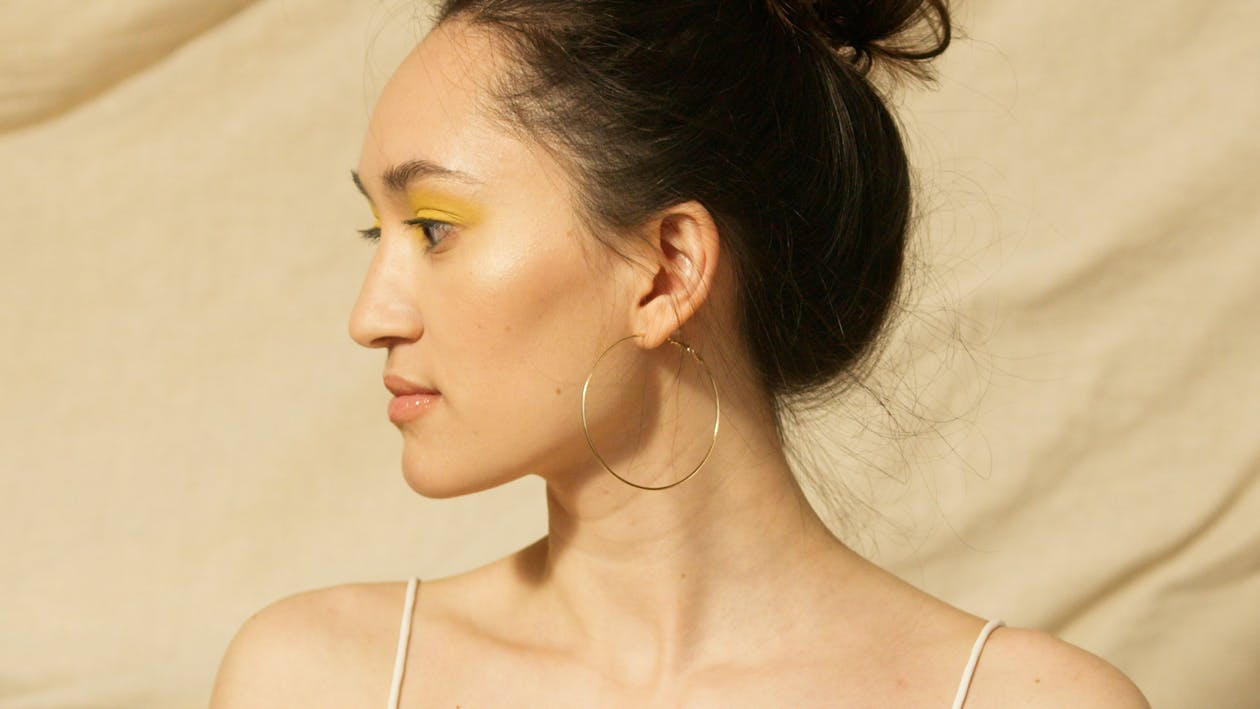
As awareness grows, individuals recognize that stretched or damaged earlobes affect both appearance and daily comfort. With guidance from Dr. Patrick M. Flaharty and his team at Azul, patients learn how modern techniques restore natural shape while respecting anatomy and healing. This educational approach supports informed decisions, realistic expectations, and long-term confidence through thoughtful planning and professional care within modern aesthetic medicine practice settings.
The Role of Earlobes in Facial Balance
Earlobes play an important role in facial balance by framing earrings and visually anchoring the lower portion of the face. Their size, shape, position, and symmetry influence how the jawline and neck transition with the rest of the facial features. Even subtle changes, such as elongation or asymmetry, can shift attention away from the eyes, cheeks, or smile, altering perceived harmony. Because they are constantly visible during interactions and with accessories, earlobes contribute more to overall aesthetics than many people realize.
Balanced earlobes maintain proportion between facial features and support natural contours, subtly enhancing attractiveness. Minor irregularities may be noticeable during social interactions, photography, or when wearing earrings. Understanding their contribution to facial structure explains why restoring earlobe proportion through repair improves symmetry, boosts confidence, and enhances harmony without altering personal identity. Properly proportioned earlobes create a refined, cohesive appearance that complements other facial features.
How Aging Changes Earlobe Structure
Aging naturally affects skin quality throughout the body, including the soft tissue of the earlobes. As time passes, collagen and elastin production steadily decline, leading to reduced firmness and elasticity. Because earlobes are composed primarily of skin and fatty tissue, they lack the internal support that protects other areas. This makes them particularly vulnerable to stretching, thinning, and the development of visible creases.
Gravity further contributes to these changes because earlobes do not contain cartilage for structural reinforcement. Repetitive movement from talking, chewing, and head motion also places subtle stress on the tissue. Over many years, these factors have accelerated elongation. Recognizing these biological processes helps patients understand that earlobe aging is common, progressive, and largely independent of skincare routines, nutrition, or overall lifestyle habits.
The Effect of Earrings and Daily Wear
Earrings place continuous weight on the delicate earlobe tissue, particularly when worn frequently over many years. Heavier or larger earring styles increase downward tension at the piercing site, gradually stretching the surrounding skin and sometimes enlarging the piercing hole. Even smaller or lightweight earrings can contribute to elongation when worn daily, especially as the natural strength and elasticity of the tissue decrease with age.
Accidental pulling, snagging, or catching on clothing or hair adds additional stress to already weakened tissue. While these incidents may seem minor, they can accelerate stretching, cause microtears, or even result in partial splits over time. Understanding how daily jewelry habits influence earlobe health helps patients recognize why gradual changes occur and why professional repair may become necessary for both appearance and comfort.
Common Forms of Earlobe Damage
Earlobe damage can present in several distinct forms, including enlarged piercing holes, thinning tissue, asymmetry between ears, and partial or complete splits. Each form affects how earrings sit and how balanced the ears appear when viewed from the front or side. These changes often become noticeable during conversation or when wearing certain jewelry styles.
Identifying the specific type of damage is essential for appropriate treatment planning. Mild stretching may require reshaping, while full tears require closure and reconstruction. Education helps patients understand their individual condition and why customized repair techniques provide safer healing, improved symmetry, and more reliable long-term results.
Why Earlobe Repair Is Increasing in Popularity
The growing interest in earlobe repair reflects a larger shift toward subtle and restorative aesthetic treatments. Many people now seek procedures that correct visible concerns while preserving natural features. Earlobe repair fits this preference by restoring shape and proportion without altering facial identity or expression.
Professional settings and social interactions also contribute to this trend. A refined appearance often supports confidence and self-presentation. As education becomes more accessible, individuals increasingly view earlobe repair as practical self-care rather than an elective luxury, especially when functional improvement is achieved alongside aesthetic enhancement.
Modern Approaches to Earlobe Rejuvenation
Modern earlobe repair techniques focus on precision, tissue preservation, and natural healing patterns to achieve reliable outcomes. The primary goal is to restore smooth contour while maintaining healthy blood circulation and minimizing scar visibility. Careful evaluation of tissue thickness, elasticity, and symmetry allows the repair to be planned with accuracy, supporting even healing and long-term structural stability.
Advanced suturing methods help reduce tension on the tissue and improve symmetry between ears. These refinements allow the repaired earlobe to regain strength without appearing tight or altered. Improvements in technique have made earlobe rejuvenation safer and more predictable. Understanding current approaches reassures patients that modern procedures prioritize anatomical integrity, aesthetic balance, and long-term tissue health.
Dermal Fillers for Earlobe Repair & Rejuvenation
Dermal fillers offer a simple, non-surgical solution for earlobe rejuvenation by restoring lost volume, improving symmetry, and strengthening stretched or thinning lobes caused by aging or heavy earrings. Using hyaluronic acid–based fillers, such as Juvéderm or Restylane, this treatment can plump deflated earlobes and create a smoother and stronger earlobe. The procedure is quick, typically taking about 15 to 30 minutes, with minimal downtime. Patients may experience mild swelling or tenderness for a few days, but most return to normal activities immediately. Results are visible right away and can last six to 12 months, depending on the filler used and individual metabolism.
Who Is a Candidate for Earlobe Repair
Many adults are suitable candidates for earlobe repair regardless of age or gender. Some individuals seek treatment for age-related elongation caused by natural tissue weakening, while others address damage from piercings, heavy earrings, or accidental trauma. In many situations, physical discomfort during earring wear motivates treatment as strongly as cosmetic concern.
Candidacy depends on overall health, skin condition, and realistic expectations. A thorough consultation allows careful assessment of tissue quality, symmetry, and personal goals. Matching the repair technique to individual anatomy ensures outcomes that appear natural, heal well, and blend seamlessly with overall facial proportions and lifestyle preferences.

Overview of the Earlobe Repair Process
Earlobe repair is commonly performed using local anesthesia in a controlled clinical environment. The damaged tissue is carefully reshaped or closed to restore natural form, proportion, and symmetry. Precision during this stage is essential, as proper alignment supports effective healing and helps maintain a balanced appearance between both ears.
Procedure time is generally brief, allowing most patients to return home the same day. Understanding each procedural step helps reduce anxiety and builds confidence. Clear communication emphasizes the importance of preparation, aftercare planning, and informed expectations before treatment begins to support smooth recovery and satisfaction.
Recovery and Long-Term Results
Recovery after earlobe repair is generally straightforward for most patients, though it requires careful attention during the early healing phase. Mild swelling, tenderness, redness, or slight bruising may occur around the treated area. Maintaining proper cleanliness, avoiding unnecessary pressure or trauma, and following all aftercare instructions carefully supports effective healing and reduces the risk of infection, scarring, or delayed tissue recovery.
As healing progresses, the earlobes gradually regain strength, symmetry, and natural contour. Patients are usually able to reintroduce earrings once tissue stability and integrity are fully restored. Long-term results combine improved appearance with enhanced function, allowing earrings to sit comfortably and proportionately. This reinforces the lasting value of earlobe rejuvenation as both an aesthetic and practical solution that contributes to overall facial balance and confidence.
For more information about Earlobe Repair, get in touch with Azul® Cosmetic Surgery & Medical Spa at 239-379-8927. As an alternative, fill out our online contact form, and we will contact you shortly.
Posted in: Facial Rejuvenation