

Microdermabrasion
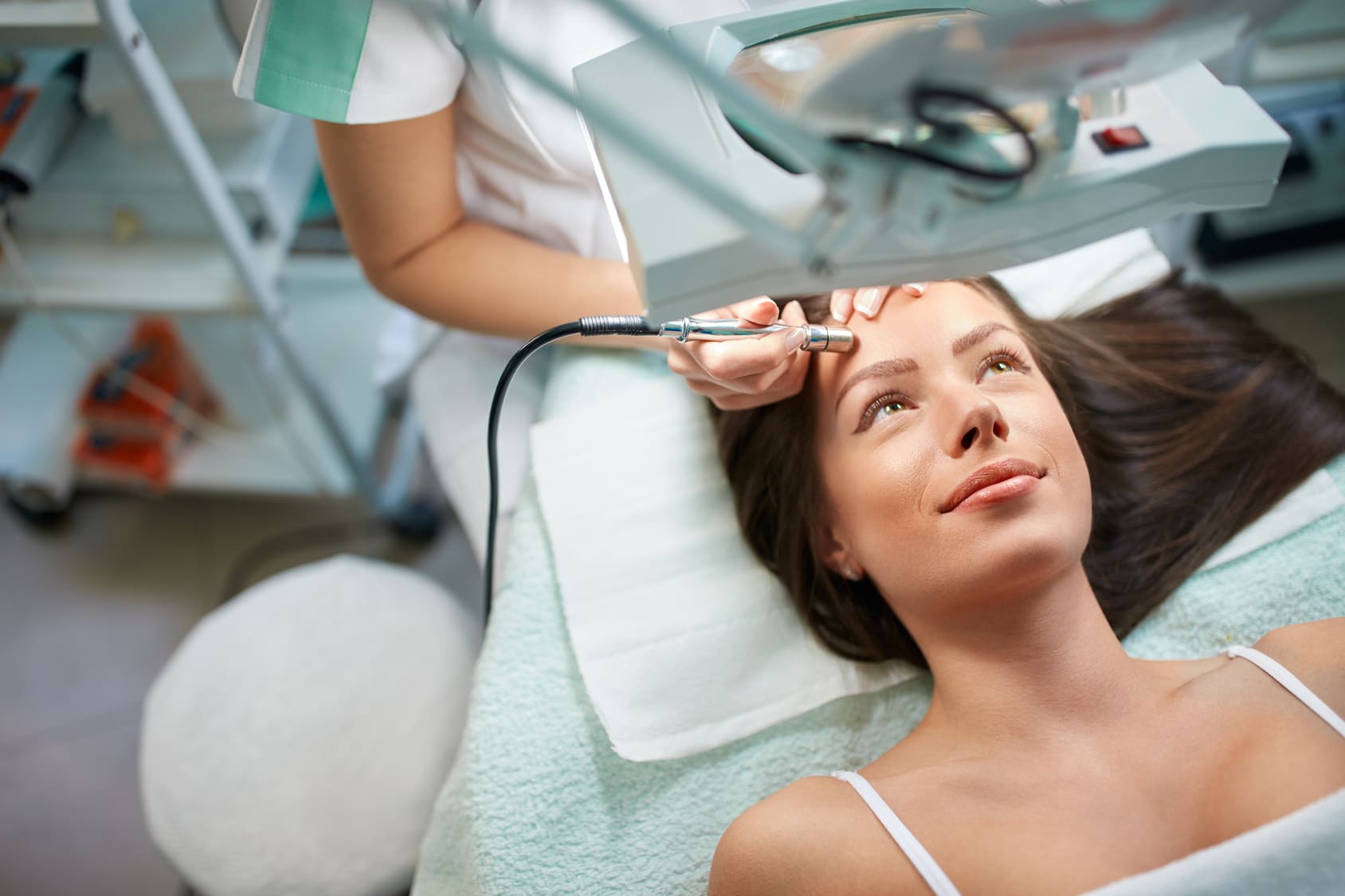
Enjoying clear, beautiful skin can sometimes be a goal that is difficult to attain. Dead skin cells stubbornly cling to the surface, and the resurfacing process can be slow for some individuals. When your goal is to exfoliate the skin gently and reveal the healthy skin underneath, microdermabrasion can be a suitable treatment. Patients who want to improve skin tone, texture, and appearance can seek microdermabrasion treatments at Azul® Cosmetic Surgery & Medical Spa!
Candidates for Microdermabrasion
Microdermabrasion is a great treatment option for anyone who wants to improve the texture and luminosity of their skin. It’s a suitable choice for any age and skin type, regardless of skin color. An ideal candidate is someone with the following symptoms:
- Rough or dull skin texture
- Sun spots
- Mild hyperpigmentation
- Fine lines
- Enlarged pores
- Mild acne scars
Microdermabrasion is efficient in unclogging the pores, which makes this an ideal treatment for acne-prone individuals. The reduction of the pores leads to less excessive sebum production, reducing the chances of breakouts in the future.
While people with mild acne and rosacea can also benefit from the treatment, care is advised. If the condition has progressed too much or is in full flare, it can make the symptoms worse. You should wait until the skin calms down to undergo your treatment.
Similarly, if you’ve recently had a chemical peel or any other exfoliating treatment, you should wait about one to two weeks before going in for a microdermabrasion session. While the treatment is not known to have any negative side effects for pregnant women, we recommend that you postpone the procedure until after birth. A consultation with our Azul® professionals can help determine whether or not you are a good candidate.
How Microdermabrasion Works
Microdermabrasion is a treatment that exfoliates the outermost layer of the skin, where dead skin is mostly settled. The treatment uses a specialized tool to “sand away” the damaged cells, revealing the healthy layer underneath and reducing dullness.
Microdermabrasion also increases fibroblasts in the skin, which are responsible for the production of collagen. The “injuries” are smaller in comparison to procedures like microneedling but are strong enough to slightly trigger the healing system of the body. This leads to a higher production of collagen and elastin in the area, reducing fine lines and acne scars with time.
During the treatment, one of our trained professionals will guide the exfoliating device over the targeted area, using careful motion. The dead skin cells are removed using a suction feature, leaving the skin clear of damaged cells and debris.
The microdermabrasion treatment lasts about 30 to 45 minutes, depending on the size of the area that you treat. Patients can choose to combine their microdermabrasion treatment session with other rejuvenating serums because product absorption is higher after microdermabrasion.
Microdermabrasion Recovery
One of the best parts of microdermabrasion is that it comes with little to no potential for downtime. No anesthesia is needed, and patients can return to their daily routine without much discomfort. Many choose to relax on that day, as it’s still recommended to avoid direct sunlight within the next few days.
Some recovery symptoms can be expected after a microdermabrasion treatment. The skin may be slightly pink, as it would be after a mild sunburn. This is the skin’s natural response to exfoliation, and it usually goes away after a few hours. Some patients may feel some dryness and tightness, but these symptoms can be addressed with a soothing or moisturizing cream.
During the recovery stage, we recommend that you use a gentle cleanser and avoid harsh exfoliating products. If you have to leave the house, use a sunblock of at least SPF30. Always remember to stay hydrated because this promotes faster recovery.
Microdermabrasion Results
 Microdermabrasion offers a combination of immediate and long-term results. After the redness fades, patients notice a rejuvenated glow as the dead skin cells are removed from the surface. The skin should also feel softer to the touch, with fewer areas of mild discoloration. Since our providers administer medical-grade serums after the treatment, you can enjoy a healthier, more luminous skin texture.
One treatment offers benefits that can last up to one month; however, repeated sessions can gradually improve skin tone and texture, removing pigmentation issues. Within two to three months, most patients notice that fine lines and hyperpigmentation are no longer as intense.
It is important that you follow a good skincare routine and make sure to focus on moisturizing products and sunblock to maintain the results. Medical-grade skincare is recommended, as these products are rich in active agents. Follow up every two to four weeks with another microdermabrasion treatment, as this can keep the skin rejuvenated in the long term.
Frequently Asked Questions
Who is a good candidate for microdermabrasion?
Anyone looking to improve skin texture, reduce fine lines, minimize pores, or treat mild acne scars can benefit from microdermabrasion. It’s safe for most skin types, including sensitive skin.
Does microdermabrasion hurt?
Microdermabrasion is generally painless. Most clients feel a gentle, sandpaper-like sensation as the treatment exfoliates the skin. Some may experience mild redness that disappears within a few hours.
How long does a microdermabrasion session take?
A typical session lasts about 30–45 minutes, depending on the area being treated. It’s a quick procedure that fits easily into a busy schedule.
How many sessions will I need to see results?
Many clients notice smoother, brighter skin after the first session. For optimal results, a series of 4–6 sessions spaced 2–4 weeks apart is often recommended.
What skin concerns can microdermabrasion improve?
Microdermabrasion helps with:
- Fine lines and wrinkles
- Acne scars
- Hyperpigmentation and sunspots
- Enlarged pores
- Dull, uneven skin texture
Is microdermabrasion safe for sensitive skin?
Yes! Microdermabrasion is gentle enough for sensitive skin when performed by a trained professional. Your provider can adjust the intensity to suit your skin’s needs.
Can microdermabrasion help with acne scars or fine lines?
Yes. By stimulating collagen and removing dead skin, microdermabrasion reduces the appearance of acne scars and softens fine lines over time.
How should I prepare my skin before a microdermabrasion treatment?
Avoid sun exposure, harsh exfoliants, and retinol products for 2–3 days before your session. Cleanse your face thoroughly before arriving at your appointment.
What should I do after a microdermabrasion session for the best results?
- Apply gentle moisturizer
- Use sunscreen daily
- Avoid makeup for a few hours if possible
- Stay hydrated to support skin healing
Are there any side effects or downtime after treatment?
Side effects are minimal. You may experience mild redness, slight sensitivity, or temporary dryness, but there is no significant downtime.
How often should I get microdermabrasion?
For maintenance, most clients schedule sessions every 4–6 weeks. Your provider will recommend a personalized plan based on your skin goals.
Can microdermabrasion be combined with other skin treatments?
Absolutely! Microdermabrasion pairs well with chemical peels, facials, or laser treatments to maximize skin rejuvenation results.
Will microdermabrasion remove hyperpigmentation or sunspots?
Microdermabrasion can help reduce the appearance of mild hyperpigmentation and sunspots. For deeper pigmentation, it may be combined with other treatments.
Is microdermabrasion suitable for all skin tones?
Yes, microdermabrasion is safe for all skin tones. Darker skin tones may notice quicker improvement in skin texture and glow.
How much does a microdermabrasion treatment cost?
The cost varies depending on your location and the treatment area. Contact Azul Beauty for a personalized consultation and pricing details.
Can I wear makeup after microdermabrasion?
It’s best to wait a few hours after your session before applying makeup to allow your skin to recover. Using mineral-based makeup is recommended if needed immediately.
Does microdermabrasion help reduce blackheads and clogged pores?
Yes. The exfoliation removes dead skin cells and debris, helping reduce blackheads and improve overall pore appearance.
How is microdermabrasion different from chemical peels?
Microdermabrasion uses gentle physical exfoliation, while chemical peels use acids to remove dead skin layers. Microdermabrasion is milder with minimal downtime.
When will I notice visible improvements in my skin?
Many clients see smoother, brighter skin immediately after treatment. Maximum benefits usually appear after multiple sessions as collagen production improves skin texture.