

Dermaplaning & Microdermabrasion
What is Dermaplaning?
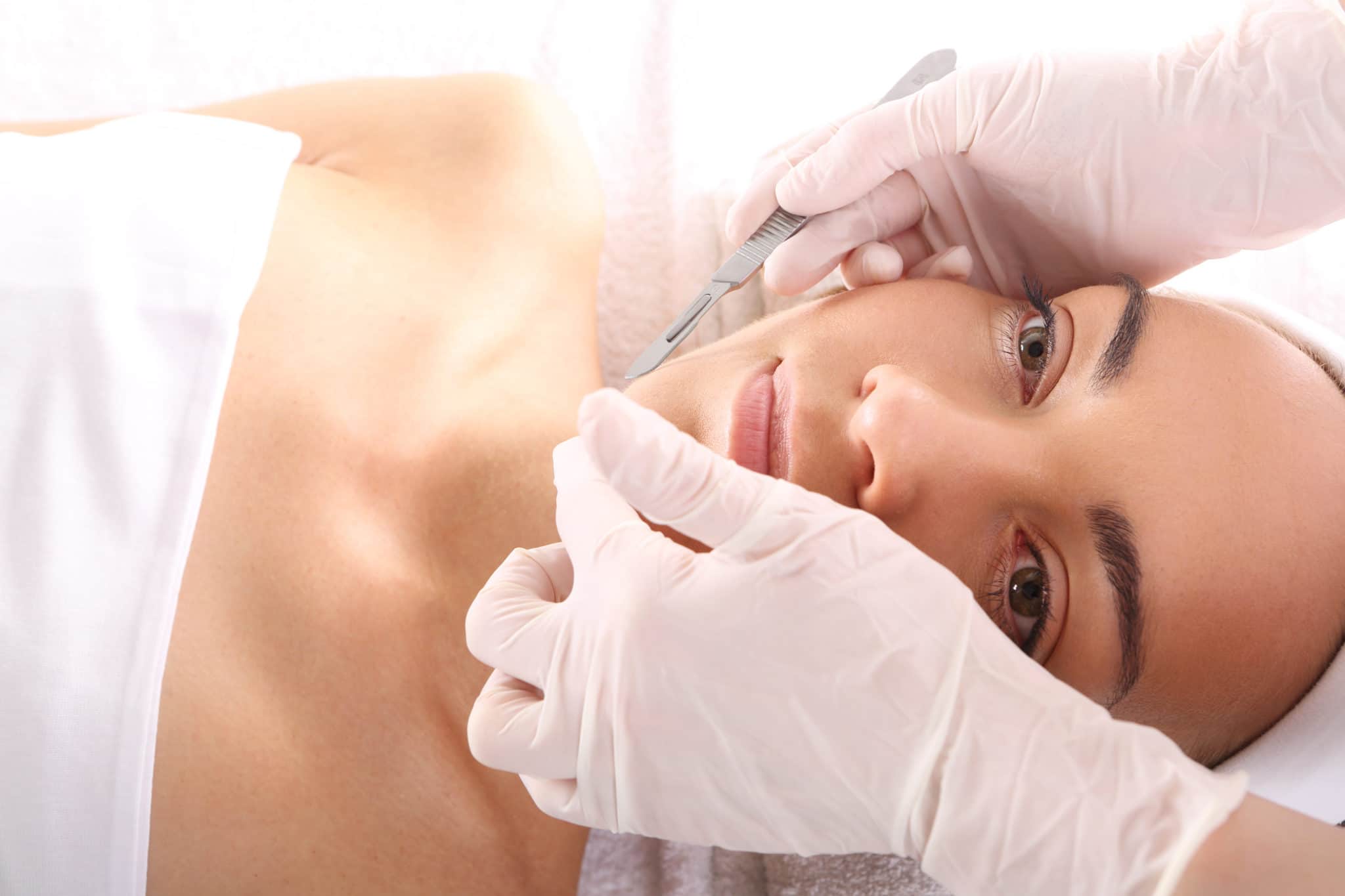
Dermaplaning, or dermablading, is a light exfoliation which removes fine facial hair and dead skin cells from the surface layer of your skin. After the procedure, skin is left much smoother for a flawless make-up application. Dermaplaning is an effective way to resurface the skin. This treatment is suggested as a monthly maintenance treatment and is performed in either one of our Naples, Fort Myers or Bonita Springs offices.
Who is a Candidate for Dermablading?
Almost all adults can be good candidates for dermaplaning. Because the technique is manual rather than chemical, dermaplaning may be performed on all skin types and colors, even very dark skin and sensitive skin. Women who are pregnant or breastfeeding may also be able to undergo this gentle yet powerful exfoliating treatment. The process is much more than a professional “shave” and can be performed to achieve benefits that go well beyond the removal of peach fuzz, the very fine hair that grows on the face.
We conduct a thorough consultation and skin evaluation before advising patients to undergo dermablading. Some people, such as those who are taking Accutane or have an active skin breakout, may not be good candidates for this treatment.
AZUL MEDICAL ESTHETICIAN EXPLAINS DERMAPLANING
Benefits of Exfoliating Your Skin With Dermaplaning
Dermaplaning has been growing in popularity as consumers have discovered that the technique is more than a method of removing visible facial hair. The technique is gentle and results in very few, if any, side effects, which makes the process convenient. Unlike more aggressive forms of tissue rejuvenation, dermaplaning does not emit energy into the skin nor does it involve placing any chemicals onto the epidermis. The use of a surgical-grade scalpel and meticulous technique make treatment comfortable and effective. The process typically takes less than thirty minutes and patients can return to their normal activities immediately.
Additional benefits of dermaplaning treatment include:
- Improved skin texture
- Reduced acne scarring
- Decreased appearance of fine lines
- Regeneration of healthy skin cells
- Promotes maximum absorption of skin care products
WHAT OUR PATIENTS SAY
“Lisa …. Britten…. Debbie! They are totally amazing and have made my skin and face look 10 years younger!!!! Best in SW FL!!! All of them!!!!” ~ Karen M
Dermaplaning Vs. Chemical Peel
Dermaplaning and chemical peels are both used to remove the uppermost layer of cells on the skin. One is a mechanical form of exfoliation while the other is chemical in nature, but each is performed to achieve the same basic outcome of smoother, more radiant skin.
Often, the outer layer of the epidermis contains mostly dead and damaged cells. Dermaplaning removes a precise amount of tissue to reveal healthier cells by scraping them directly off the surface. The non-invasive procedure is gentle enough to be combined with a chemical peel. Manually removing cells first increases the efficacy of a chemical peel to increase cell turnover and improve the tone and texture of the skin. The chemical peel process may be lighter when combined with dermaplaning and will involve the application of some type of acid, such as glycolic acid, to the skin. The customized solution remains on the skin for a few minutes to dislodge skin cells and promote the natural sloughing of the epidermis.
Dermaplaning Treatment at Azul Beauty
Dermaplaning treatment is straightforward and relatively quick. After cleansing your skin, your provider will use the surgical scalpel to gently abrade the epidermis. This feels like mildly scraping the skin with a credit card. Dermaplaning is very comfortable and relaxing and is done in either our Fort Myers, Bonita Springs, or Naples offices.
DERMAPLANING (DERMABLADING) TREATMENT
Is Dermaplaning Painful?
Dermaplaning is a very comfortable and relaxing procedure, similar to shaving. Most patients consider this treatment much more comfortable than chemical peels or microdermabrasion.
What is the Recovery Process Following Dermaplaning?
The non-invasive nature of dermaplaning makes this treatment incredibly convenient. Some patients may experience slight redness or a dry sensation in their skin after dermaplaning, but these side effects disappear quickly. In the rare instance that the skin gets nicked by the scalpel, the tiny spot begins to heal immediately.
After treatment, you may want to apply moisturizer and are encouraged to apply sunscreen. It is necessary to protect skin from UV exposure after dermaplaning because new cells are susceptible to sun damage.
Skin Exfoliation Results with Dermaplaning
You can expect to notice smoother, more radiant skin immediately after your dermaplaning treatment. There is a slight possibility for peeling or flaking to occur during the initial days after the technique has been performed, especially if dermaplaning is combined with a chemical peel. This side effect is uncommon and can be managed with proper facial cleansing and moisturizing.
Dermaplaning does not affect hair growth in any way. Treatment does not remove vellus hair for long periods of time, nor does it encourage hair to grow back thicker or darker. As vellus hair regrows, it appears just as it always has
Can You Put On Makeup After Dermaplaning?
It is possible to apply makeup right after dermaplaning treatments. As a nice benefit to the technique, most people notice that makeup goes on smoother after the skin has been exfoliated with the surgical scalpel.
How Often Should You Get Dermaplaning?
Dermaplaning removes vellus hair for up to three weeks. Treatment can be obtained as often as every two weeks or as needed to promote smoother, hair-free skin. Your dermaplaning schedule can be discussed based on your goals and preferences.
Is Dermablading Safe?
Dermaplaning is conducted by a trained professional and should not be performed at home. In the clinical setting, the technique is very safe.
Schedule a Consultation
To learn more about Dermaplaning, call our offices at {tel} to schedule a consultation at Azul Cosmetic Surgery and Medical Spa. Our practice serves Fort Myers, Naples, Bonita Springs, and surrounding areas.

What is Microdermabrasion?
Microdermabrasion exfoliates and polishes the outer layer of the skin to reveal younger firmer and more radiant skin beneath. Suggested as a monthly maintenance treatment. Includes derma planning, extraction, massage, and mask of the face, neck and chest.
AZUL MEDICAL ESTHETICIAN EXPLAINS MICRODERMABRASION
Schedule a Consultation
To learn more about microdermabrasion, call our offices at {tel} to schedule a consultation with Azul Cosmetic Surgery and Medical Spa.
Frequently Asked Questions
What is microdermabrasion, and how is it different from dermaplaning?
Microdermabrasion uses a diamond-tipped wand or crystal spray to exfoliate the outer layer of skin. Unlike dermaplaning, which focuses on removing peach fuzz and dead skin manually, microdermabrasion resurfaces the skin to reduce acne scars, fine lines, and uneven texture.
Are dermaplaning and microdermabrasion safe for all skin types?
Yes, both treatments are safe for most skin types, including sensitive skin. Our trained professionals in Miami ensure your skin receives the right care during every session.
How often should I get dermaplaning or microdermabrasion?
For optimal results, we recommend every 4–6 weeks. Regular sessions help maintain smooth skin, reduce the appearance of fine lines, and improve overall skin texture.
Does dermaplaning or microdermabrasion hurt?
Both treatments are gentle and virtually painless. You may feel a mild tingling or light scratching sensation, but most clients find it relaxing and comfortable.
What are the benefits of dermaplaning for my skin?
Dermaplaning removes dead skin cells and peach fuzz, improves skin texture, enhances skincare absorption, and gives a brighter, more youthful glow.
Can microdermabrasion help with acne scars or dark spots?
Absolutely! Microdermabrasion is highly effective for reducing acne scars, sun damage, and hyperpigmentation, giving your skin a more even tone and smooth appearance.
Is there any downtime after a dermaplaning or microdermabrasion session?
No downtime is required. You can return to your daily activities immediately, making these quick, non-invasive treatments perfect for busy schedules.
How long does a typical dermaplaning or microdermabrasion session take?
Sessions usually last 30–60 minutes, depending on your skin type and treatment area.
Can I combine dermaplaning and microdermabrasion for better results?
Yes, combining both treatments can provide maximum exfoliation and skin rejuvenation, leaving your skin smoother, brighter, and more youthful.
Are dermaplaning and microdermabrasion suitable before makeup application?
Absolutely! Dermaplaning in particular is perfect before makeup, as it creates a smooth surface, allowing foundation to glide on flawlessly.
How do I prepare my skin before a dermaplaning or microdermabrasion session?
Avoid exfoliating products or retinoids for 2–3 days before your appointment. Cleanse your skin thoroughly and avoid heavy makeup for the best results.
Are there any side effects I should be aware of?
Most clients experience minimal side effects, such as slight redness or sensitivity for a few hours. Both treatments are generally safe and well-tolerated.
Can these treatments help reduce fine lines and wrinkles?
Yes! Microdermabrasion stimulates collagen production, while dermaplaning smooths the skin, both helping to minimize the appearance of fine lines and wrinkles over time.
How much does dermaplaning or microdermabrasion cost?
Pricing varies depending on the treatment and session length. Contact Azul Beauty in Miami for personalized pricing and packages.
Will dermaplaning remove facial hair permanently?
No, dermaplaning removes peach fuzz temporarily. Hair will grow back, typically within 3–4 weeks, but your skin will remain smooth after each session.
How long will it take to see visible results?
You’ll notice smoother, brighter skin immediately after treatment, with optimal results improving over multiple sessions.
Can I do dermaplaning or microdermabrasion if I have sensitive skin?
Yes, our professionals can customize treatments for sensitive skin to ensure safe, effective exfoliation without irritation.
Are these treatments safe during pregnancy?
Dermaplaning and microdermabrasion are generally safe during pregnancy, but it’s best to consult with your doctor before starting any skincare treatments.
Can I do these treatments at home, or should I only see a professional?
Professional treatments are recommended for safety and effectiveness. At-home tools cannot match the precision and results provided by certified specialists.